


What do you think?

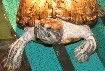
 Posted: Fri Nov 07, 2008 8:22 pm I'm starting to worry about Mr. Turtle's Shell *Pics*

Posted: Fri Nov 07, 2008 10:47 pm

Posted: Fri Nov 07, 2008 10:50 pm

Posted: Fri Nov 07, 2008 10:58 pm
SpotsMama wrote:What does his plastron look like?
SpotsMama wrote:How loose are those old scutes? They look very loose. When they come off hopefully the shell underneath will be healthy.

SpotsMama wrote:Try to help him shed by making sure he basks regularly under good UVB and gets to dry out completely - top and bottom. You may even dry dock him some at night. It's good that you've got him a good bulb - what brand and strength is it?
Posted: Fri Nov 07, 2008 11:05 pm
Posted: Sat Nov 08, 2008 1:26 pm

Posted: Sat Nov 08, 2008 4:16 pm
Posted: Sat Nov 08, 2008 6:56 pm
 I keep their tank fairly clean too. Thank you for your input. It's very greatly appreciated! I'll just be patient.
Posted: Sun Nov 09, 2008 9:27 pm


Posted: Sun Nov 09, 2008 11:08 pm

Posted: Mon Nov 10, 2008 11:16 am
Posted: Mon Nov 10, 2008 2:29 pm
Return to General Care Discussion
Users browsing this forum: No registered users and 171 guests