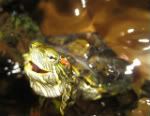
When turtles shed, what comes off is the top, thin layer of shell - the sections are called scutes. When the shell is healthy, the scute that comes off is translucent and usually the whole section comes off in one piece. When the shell is not 100% healthy, the scute will flake off. Sometimes scutes that should come off don't, and then we say they are retained. Retained scutes can pile up in layers. The shell underneath a scute that has shed should be healthy looking.
When a scute is ready to shed, it usually gets a dull, whitish look. When the turtle is underwater, you see metalic or coppery glints. This is air trapped underneath the loose scute. Also, when the turtle is out of the water, if you press gently on a scute that's about to come off, you'll see water ooze out around the edge. Scutes will start to lift around the edge when they get close to shedding.
It's best not to pull off a loose scute ("shuck a turtle"). If you leave it alone, it should fall off on its own when it's ready. If you have to tug to get a scute off, that means it's still attached to the underlying shell, and it's not ready to come off. It can damage the shell to pull off scutes prematurely. Sounds like that's happened to the turtle you just got.
Retained scutes are a common problem. Like I said, you can see the layers piled up when scutes don't shed like they should. The big danger is that if water gets trapped under a loose scute, it can become a breeding ground for bacteria and fungus, and a serious infection can result.
To help scutes shed, you can feed turtles small amounts of foods containing vitamin e. Examples are steamed sweet potato, blueberries, tomato, turnip greens and apple peel. A serving a week from this list will help a turtle to shed.
It's also important for turtle shell and bone health that they get plenty of calcium. The recommended source is cuttlebone. You can get cuttlebones in the bird section of a pet store. They are cheap and will last a long time. Just leave a piece or two in the tank for the turtle to nibble on, after removing the clear, plastic-like backing that's just under the surface of one side of the cuttlebone. Some turtles prefer their cuttlebone attached to the wall of the tank with a veggie clip.
In order for a turtle to metabolize the calcium they eat, they need to bask under UVB light. UVB is provided by special light bulbs you get from pet stores or on-line pet supply places. For a specific recommendation on a UVB bulb, we'd need to know the size of your aquarium - some bulbs are appropriate for small tanks, others for large tanks.
Basking on a completely dry surface is a huge thing for turtle health. Lots of bad things will happen if they don't bask frequently and get to dry out thoroughly. To motivate a turtle to bask, the basking area needs to be warmer than the water - turtles are heat seekers. You need a heat producing light bulb to generate the warmth that's needed. Again, we'd need to know the size of your setup to make an informed recommendation on the best way to provide heat for the basking area.
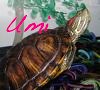
And photos of your turt and setup would be most helpful.


 Posted: Thu Apr 02, 2009 12:38 am Reccomendations?
 [/img]