
 Posted: Wed Feb 15, 2012 12:25 am Feeding Young Turtles
Posted: Wed Feb 15, 2012 2:48 am Re: Feeding Young Turtles

Posted: Wed Feb 15, 2012 9:00 am Re: Feeding Young Turtles
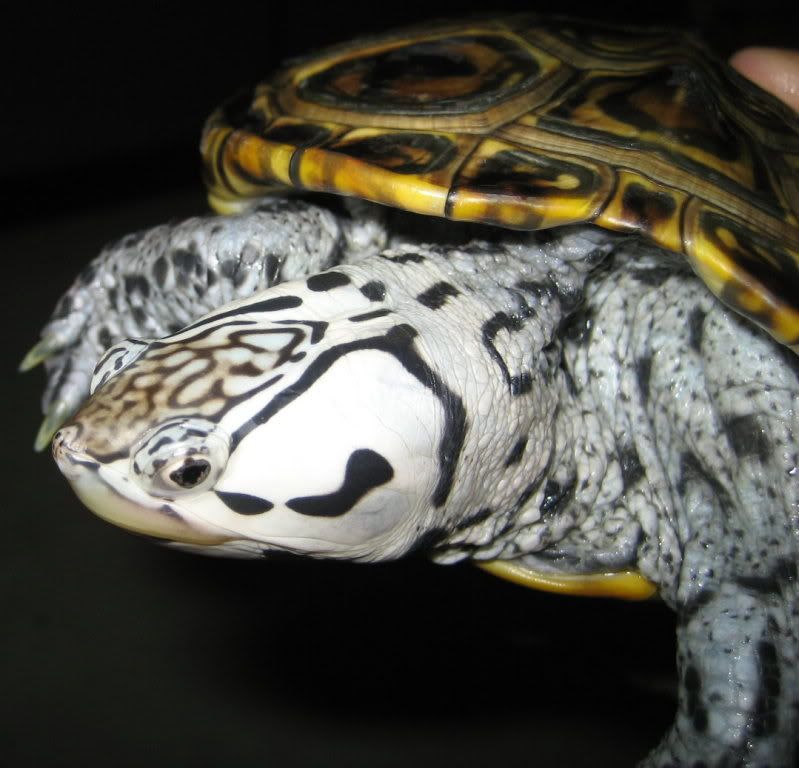
Posted: Wed Feb 15, 2012 9:11 pm Re: Feeding Young Turtles
Posted: Sat Feb 18, 2012 3:38 am Re: Feeding Young Turtles
Posted: Sat Feb 18, 2012 5:55 am Re: Feeding Young Turtles

Posted: Sat Feb 18, 2012 1:37 pm Re: Feeding Young Turtles

Posted: Sun Feb 19, 2012 4:31 pm Re: Feeding Young Turtles
steve wrote:Are they kept together?
Posted: Sun Feb 19, 2012 4:32 pm Re: Feeding Young Turtles
Posted: Mon Feb 20, 2012 3:17 pm Re: Feeding Young Turtles
Posted: Tue Feb 21, 2012 2:10 am Re: Feeding Young Turtles
Posted: Tue Feb 21, 2012 8:46 am Re: Feeding Young Turtles
Gyalgatine wrote:Would you recommend dried shrimp? I don't know if you know what I'm talking about (it's an Asian thing...) just tiny shrimp that are dried and are a bit salty.
Posted: Fri Mar 09, 2012 5:36 pm Re: Feeding Young Turtles
Return to Feeding and Nutrition
Users browsing this forum: No registered users and 104 guests